7 min read
Cleaning Industrial Units at Park Industrial Estate and Curo Park, St Albans
A guide to cleaning warehouse and industrial units at Park Industrial Estate and Curo Park in Frogmore, St Albans: offices, welfare areas and unit floors.
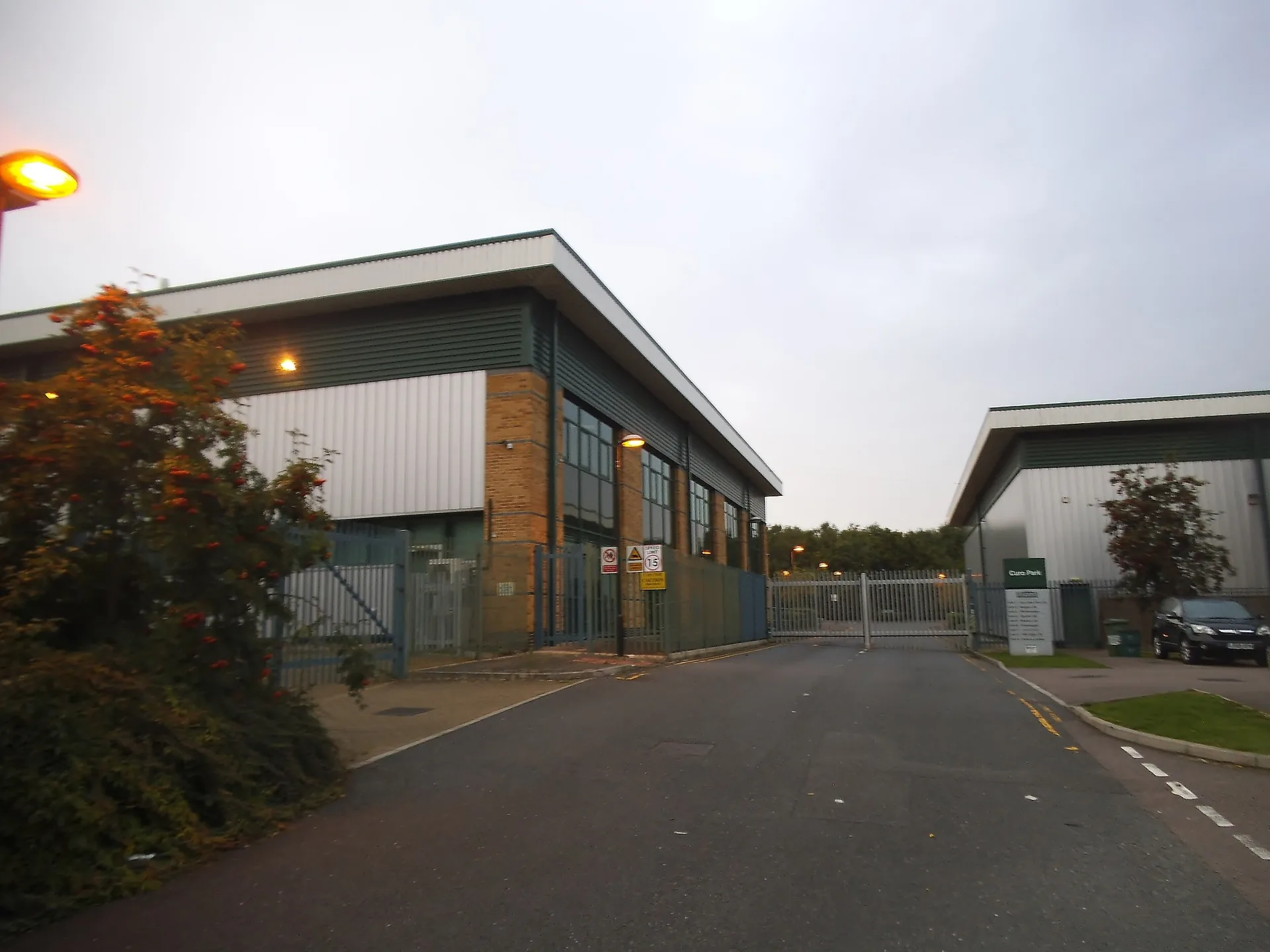
South of St Albans city centre, between Park Street and Frogmore, two business estates sit just off Watling Street: Park Industrial Estate and Curo Park. They are home to manufacturers, distributors, laboratories, food producers and trade businesses, many of them small teams without their own cleaning staff. This guide explains what an industrial unit there needs from a cleaning company and how to keep it clean, safe and ready for visitors.
The short answer
- List every type of space in the unit: warehouse or production floor, offices, kitchen, toilets and any loading or trade counter area.
- Clean welfare areas on every visit. Toilets, washing facilities and kitchens must be kept clean by law.
- Book a deep clean to reset the unit if it has not been cleaned properly for a while, then keep it there with regular visits.
- Schedule floor and high level cleaning periodically, as dust on racking and beams settles back onto stock and floors.
- Choose a contractor with the right paperwork: insurance, risk assessments, method statements and COSHH information.
About the two estates
Both estates are in Frogmore, in the AL2 postcode, within easy reach of the M25, the M1 and the A414, with Park Street station on the Abbey Line between St Albans and Watford a short walk away. They are part of St Stephen parish, which also takes in Bricket Wood, Chiswell Green, How Wood and Colney Street.
Park Industrial Estate is made up of smaller units used for a wide mix of work, from light manufacturing and food production to toiletries, laboratories, offices and motor trades. Curo Park is a secure gated estate of modern high bay warehouse units, typically with first floor offices, a kitchen and toilets.
Despite their differences, most units on both estates share the same basic layout: a working floor, offices, a kitchen and toilets. Each needs a different kind of cleaning.
What needs cleaning in an industrial unit
- Offices: desks, phones, meeting tables, floors and bins, cleaned in the same way as any office.
- Kitchens and break rooms: worktops, sinks, appliances, tables and floors, cleaned on every visit.
- Toilets and washrooms: toilets, urinals, basins, mirrors and floors cleaned and sanitised, with soap and paper restocked.
- Warehouse and production floors: swept or vacuumed regularly and machine scrubbed periodically to lift ground in dirt.
- High level areas: racking, beams, ducting and light fittings dusted periodically.
- Loading bays and trade counters: entrances swept and counters cleaned so the first impression for customers and drivers is a good one.
What the law says about welfare facilities
Under the Workplace (Health, Safety and Welfare) Regulations 1992, every workplace, along with its furniture and fittings, must be kept sufficiently clean, and waste must not build up except in suitable containers. Toilets and washing facilities must also be kept clean and in good order. For a small team in a busy unit, cleaning often slips to the end of the day. A regular contract cleaner takes that off your staff and keeps you on the right side of the rules.
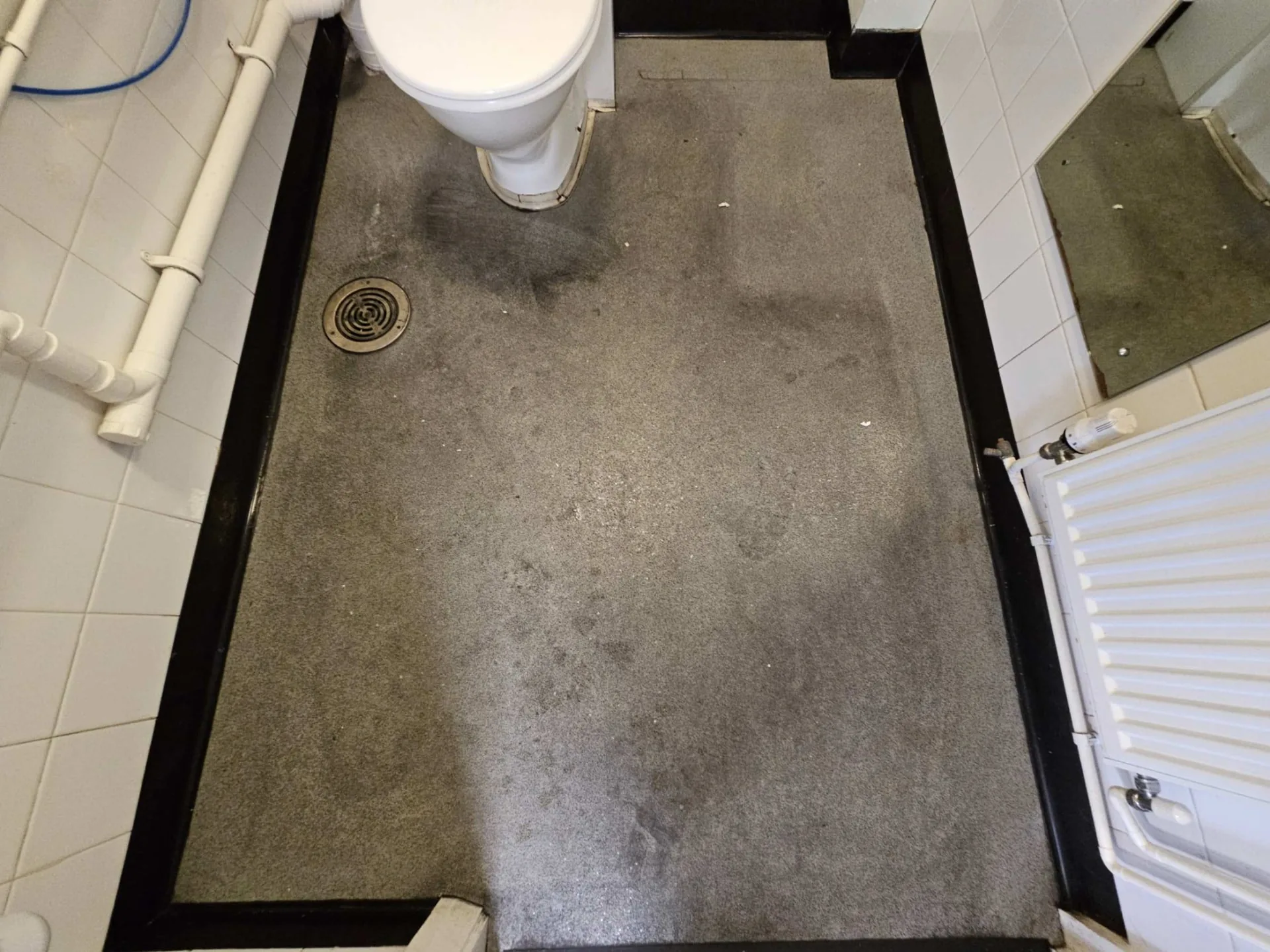
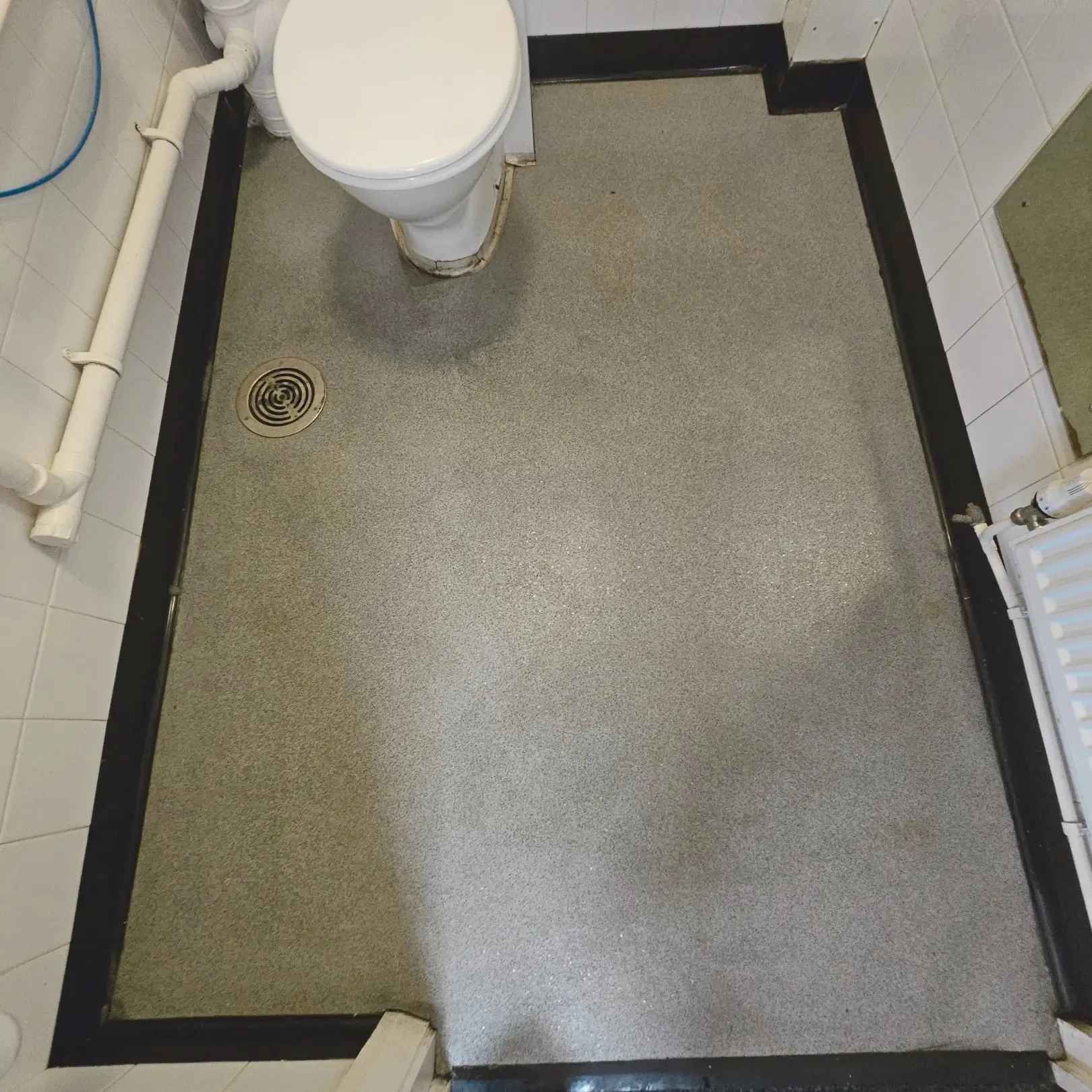
This factory washroom belongs to Prism DCS, a manufacturer on Watford Business Park whose site, like many units on these estates, is a factory, warehouse and office in one.
Food production and laboratories
Units used for food production or lab work need tighter control. Cleaning should follow a written schedule, and colour coded cloths and mops stop cross contamination between areas. Most UK cleaning teams use red for toilets and washrooms, blue for general areas, green for kitchens and food areas, and yellow for clinical areas. Ask any contractor how they apply this on your site.
Moving in or moving out
Many leases require a unit to be handed back clean at the end of the term, and a new unit is far easier to keep clean if it starts from a proper baseline. A deep clean before you move in or after you move out covers the offices, kitchen, toilets and floors in one go. When Stevensons moved into a new customer service centre in Letchworth, we deep cleaned the building and then took on the ongoing cleaning.
How often should an industrial unit be cleaned?
For most small and medium units, offices and welfare areas cleaned two to five times a week works well, depending on staff numbers. Warehouse floors are usually swept weekly and machine scrubbed every few months, with a full deep clean once or twice a year.
Local cleaners for Park Street and Frogmore
Our team already works in St Stephen parish: we cleaned the carpets and meeting room chairs for St Stephen Parish Council and deep cleaned Canopy Nurseries in Bricket Wood, both a few minutes from the estates. We provide commercial cleaning across St Albans from £220 per month + VAT, and deep cleans from £225 + VAT. Get a guide price from our instant estimate, or book a free site visit.
Talk to the Cleaníge team
If you'd like to discuss your cleaning requirements or would like more information about our services. Send us a message through the contact form or email us directly and we'll come back with clear next steps.
Blog post at a glance
- Covers
- Cleaning industrial units, welfare areas and offices on both estates
- Who it's for
- Businesses at Park Industrial Estate and Curo Park
- Good to know
- Welfare areas need a daily clean, the unit a weekly one
7 min
Read time
Nov 2026
Published