7 min read
Cleaning Historic Offices, Shops and Homes Around St Albans Cathedral
How to clean period offices, shops and listed buildings around St Albans Cathedral: old floors, stone, sash windows, access and market day timing.
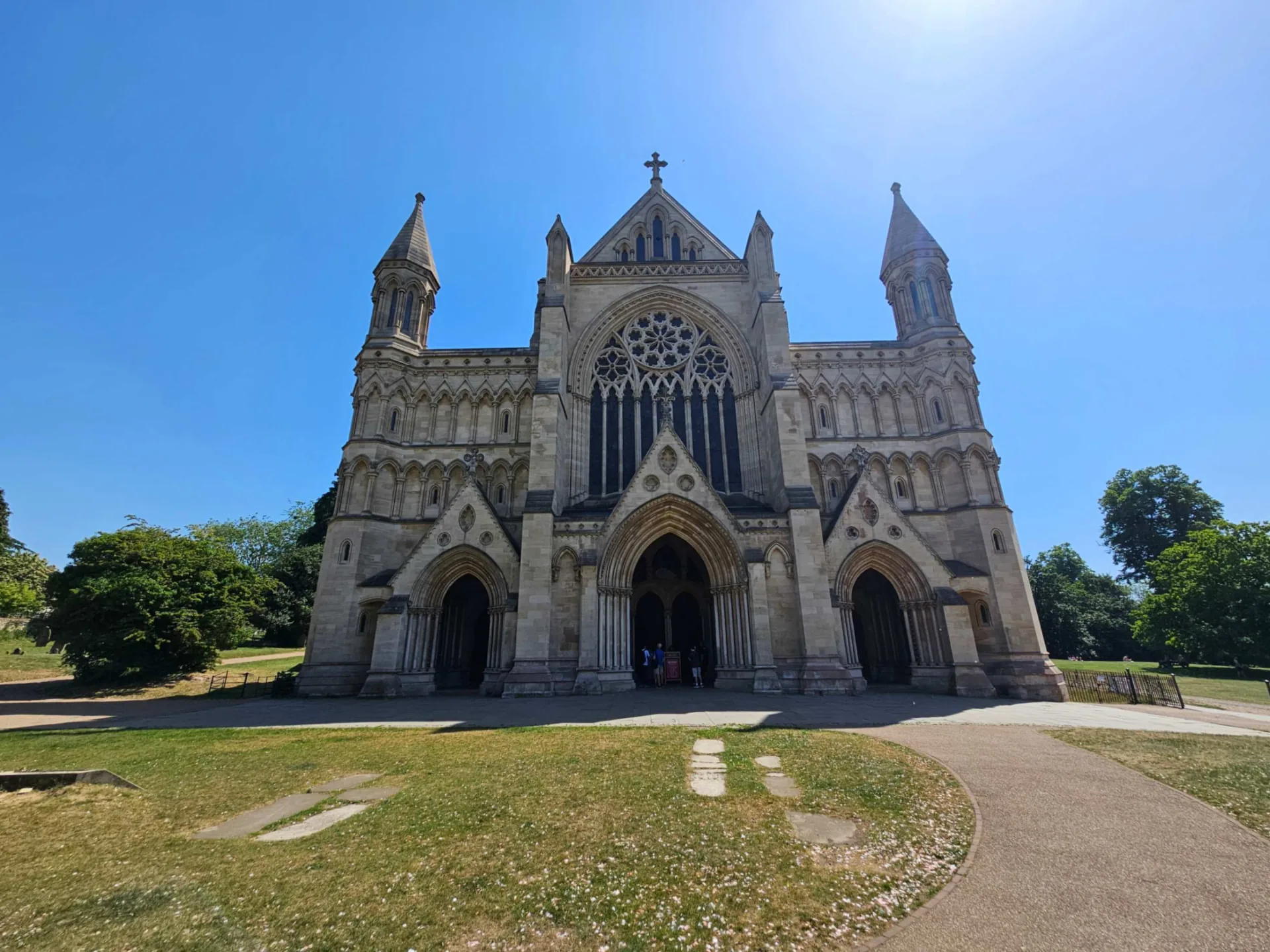
St Albans grew up around its cathedral, and many of the offices, shops, cafés and homes in the city centre are almost as full of history. Georgian offices on Holywell Hill, timber framed buildings around George Street and old houses on Fishpool Street all bring character, and all bring cleaning challenges that a modern office block does not. This guide explains how to keep historic buildings in St Albans clean without damaging them.
The short answer
- Find out whether your building is listed and what its original features are before choosing products or methods.
- Use pH neutral products on stone, marble, old tiles and timber. Acidic and bleach based cleaners can etch and stain them.
- Keep water to a minimum on old wooden floors and porous surfaces.
- Stop grit at the door with good entrance matting, because grit causes most of the wear on old floors.
- Plan access and timing around market days, limited parking and neighbours living above shops.
A city built around its cathedral
St Albans Cathedral is the oldest site of continuous Christian worship in Britain. It stands over the place where Alban, Britain's first martyr, was buried more than 1,700 years ago. The present building was begun in 1077 using Roman bricks and tiles from the ruins of Verulamium, the Roman town in what is now Verulamium Park, and its nave is the longest in England at 85 metres.
The streets around it form part of the city centre conservation area. The charter market fills St Peter's Street every Wednesday and Saturday, and visitors to the cathedral and Verulamium Park keep the shops, pubs and restaurants busy all week. The cathedral has its own dedicated care, but the buildings around it face the same challenge on a smaller scale: staying clean and welcoming without losing the features that make them special.
Why historic buildings need a different approach
Original floors
Oak boards, quarry tiles, Victorian encaustic tiles and stone flags are common in older St Albans buildings. They do not like excess water, which can swell timber and lift old tiles, and they can be damaged by acidic descalers and bleach. Use a well wrung mop and a pH neutral cleaner, and leave restoration such as sanding or resealing to specialists. Our hard floor cleaning and polishing covers the right treatment for each floor type.
Stone, brick and lime plaster
Old brick, stone and lime plaster are porous. Spraying cleaning chemicals directly onto them can leave marks that are hard to remove. Dust them gently and spot clean with care rather than wet wiping whole walls.
Sash windows, old glass and brass
Older glass is often thinner and can have a slight ripple, so it needs gentle handling and soft cloths rather than scrapers. Brass door furniture and fittings can be polished, but harsh metal polishes can strip a patina the owner wants to keep, so always ask first.
Narrow stairs and small rooms
Historic buildings tend to have small rooms spread over several floors, connected by narrow stairs. Cleaning teams need compact equipment they can carry safely, and stair carpets need regular vacuuming because they take some of the heaviest wear in the building.
Listed building consent
If your building is listed, works that affect its character may need listed building consent from St Albans City and District Council. Everyday cleaning does not, but it should never be harsh enough to damage original surfaces. Specialist work such as cleaning external stonework should always be discussed with the council and a conservation specialist first.
Access, parking and timing in the city centre
- Market days: stalls and crowds on St Peter's Street on Wednesdays and Saturdays affect access and parking, so cleans are best planned around them.
- Parking: spaces near the cathedral are limited, so it helps to agree where the team will park and unload.
- Out of hours: most offices and shops are cleaned before opening or after closing, so the business never has to work around the cleaners.
- Neighbours: many shops have flats above, so evening work should use quiet equipment and keep noise down.
Shops, cafés and restaurants
Businesses near the cathedral see high footfall, which means entrance floors, washrooms and kitchens work hard. Regular cleaning keeps them presentable, and a periodic deep clean deals with the grease, limescale and ground in dirt that daily cleaning cannot shift.
Our work in and around St Albans
For St Stephen Parish Council, whose parish covers Park Street, How Wood, Chiswell Green and Bricket Wood, we cleaned the carpets in the offices and meeting space and were then invited back to clean the meeting room chairs.
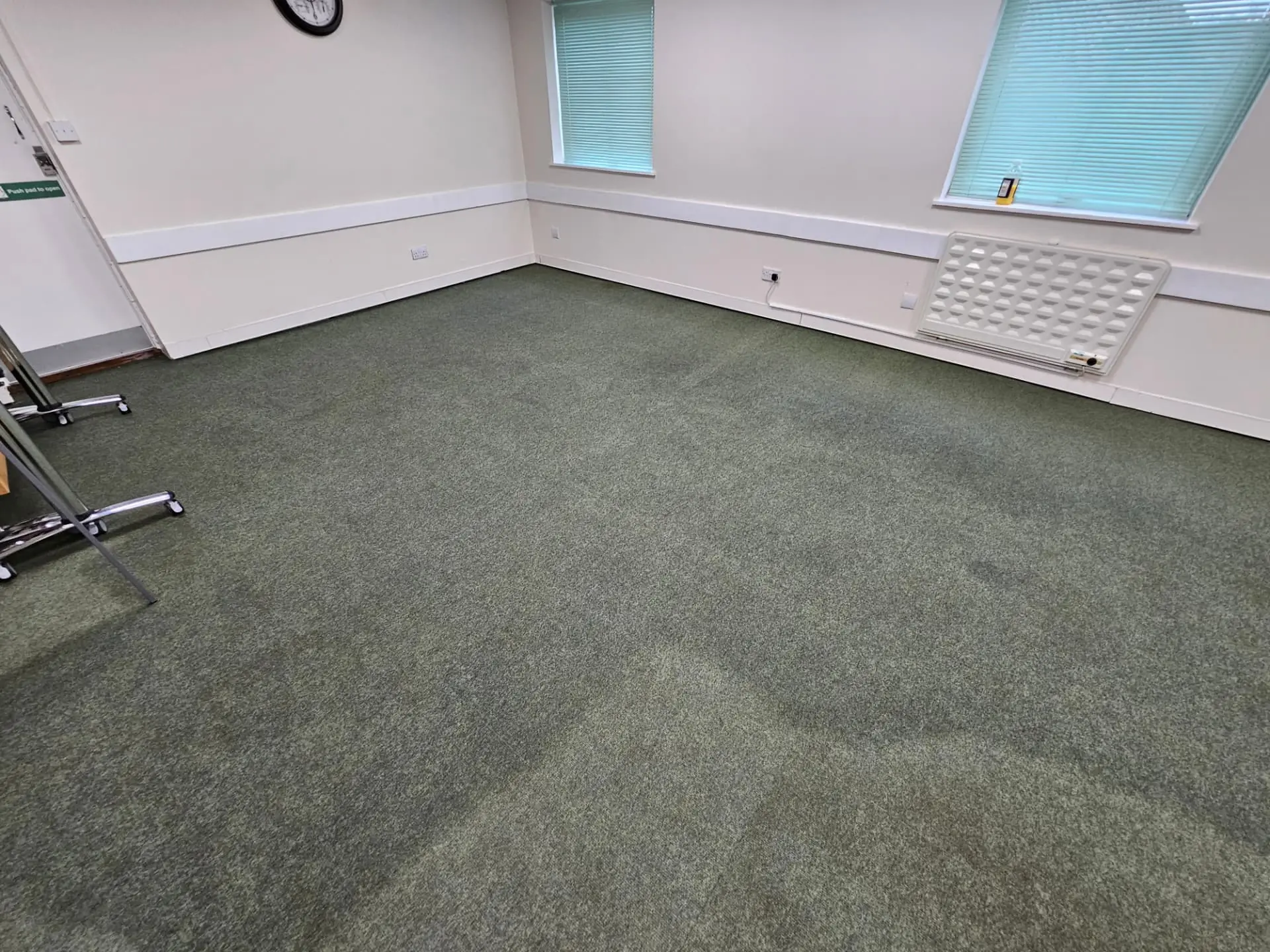
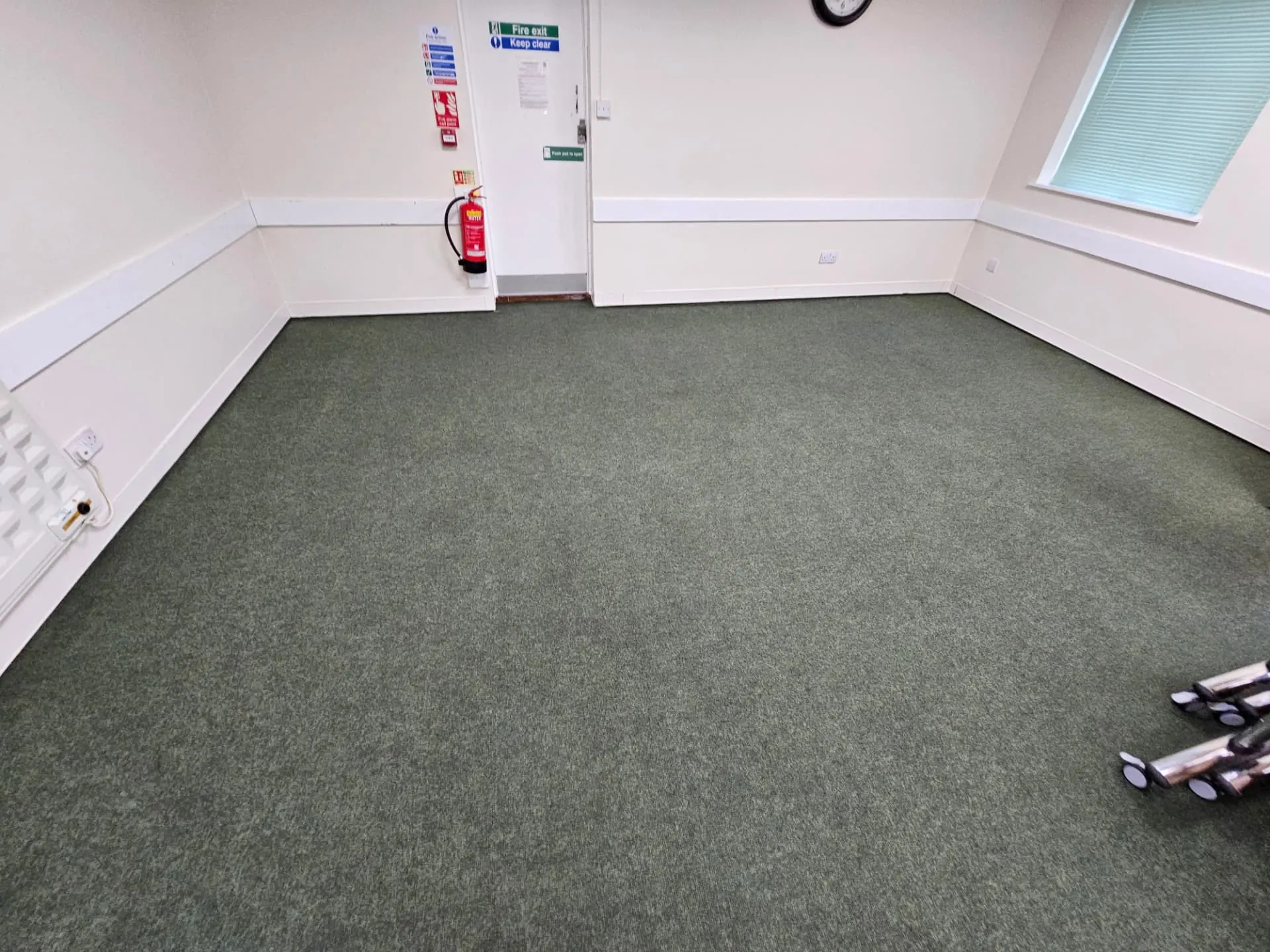
We also deep cleaned the whole of Canopy Nurseries in Bricket Wood in a single day. For general advice on running an office in the city, see our guide to office cleaning in St Albans.
Cleaning in St Albans
We clean offices, shops, homes and community buildings across St Albans, with eco friendly products that are gentle on old surfaces. Deep cleaning starts from £225 + VAT and carpet and upholstery cleaning from £100 + VAT. Get a guide price from our instant estimate, or book a free site visit so we can see your building and recommend the right approach.
Talk to the Cleaníge team
If you'd like to discuss your cleaning requirements or would like more information about our services. Send us a message through the contact form or email us directly and we'll come back with clear next steps.
Blog post at a glance
- Covers
- Cleaning older buildings without damaging original features
- Who it's for
- Owners, tenants and residents near the Cathedral
- Good to know
- Lime wash, old paint and stone need gentler products
7 min
Read time
Nov 2026
Published