8 min read
How to Deep Clean a Kitchen: A Professional Cleaner's Step by Step Guide
A professional cleaner's step by step guide to deep cleaning a kitchen: oven, extractor, fridge, worktops, cupboards and limescale, plus safety tips.
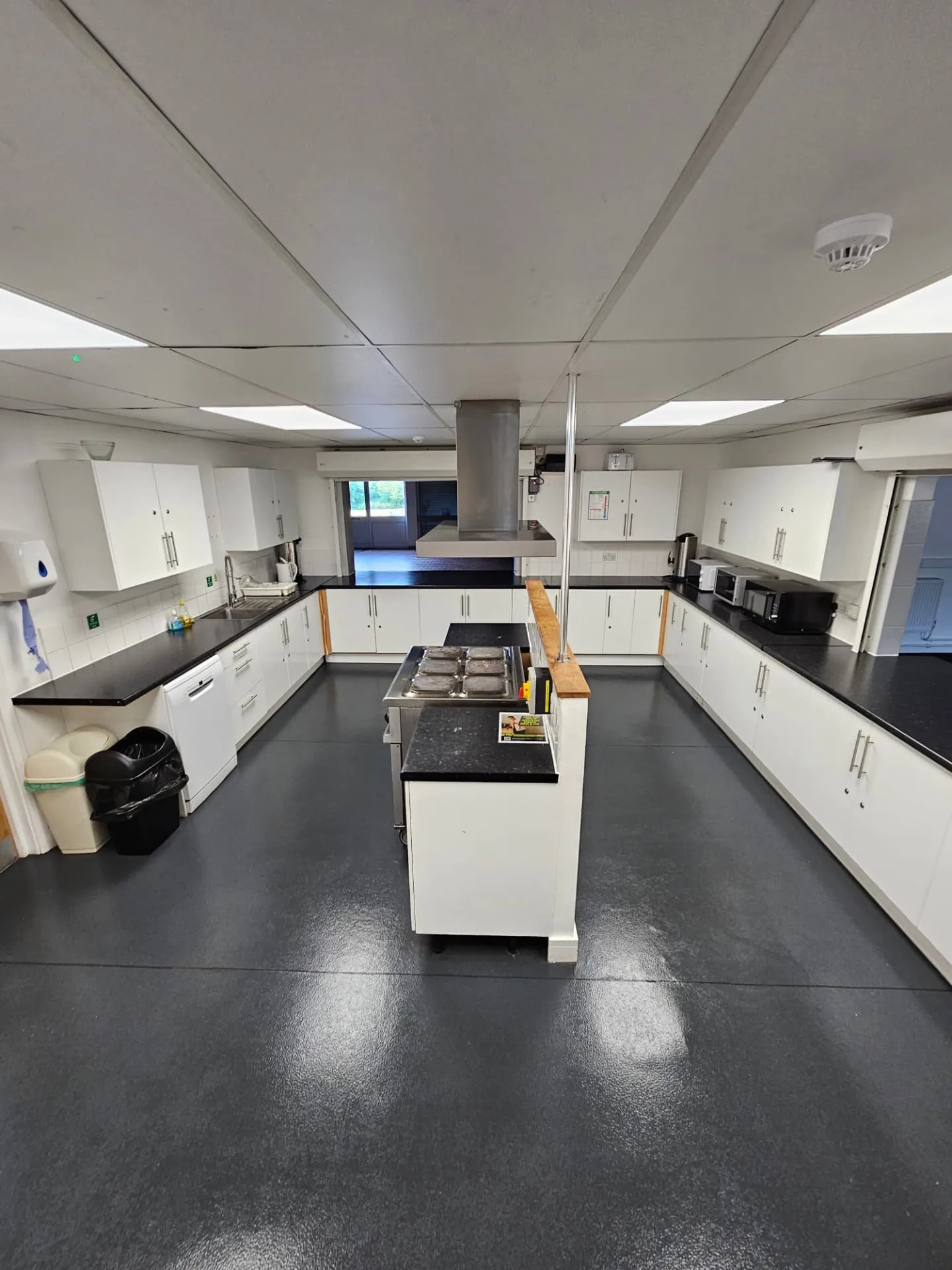
A kitchen deep clean is one of the most satisfying jobs in any home or workplace, and one of the most daunting. Grease spreads further than you think, limescale builds up quietly and the oven is never as quick as you hope. This is the method our team uses on kitchen deep cleans in homes, offices and staff rooms across Watford and Hertfordshire.
Before you start
What you will need
- Green microfibre cloths for kitchens and food preparation areas.
- A non scratch scourer and an old toothbrush or detail brush.
- A magic eraser for marks on walls, doors, cupboards and other surfaces. It is an essential piece of kit on every kitchen deep clean we do.
- A degreaser or hot water with washing up liquid.
- A limescale remover suitable for your taps and sink.
- Bicarbonate of soda for light oven build up and stubborn marks.
- Rubber gloves, a bucket and a mop.
We use eco friendly products wherever possible. They clean effectively and are kinder to people, pets and the planet, and for most home kitchens they are all you need.
Safety first
Never mix bleach with ammonia, vinegar or other acidic cleaners. The combination can release toxic gases. Open a window, wear gloves, and read the label on every product, especially oven cleaners.
Only use a product on the surface it is made for. If the label says it is a floor cleaner, use it on floors and nowhere else. The wrong product can damage worktops, appliances and finishes, and some are not safe on surfaces that come into contact with food.
Work top to bottom, dry to wet
Dust and crumbs fall downwards, so always clean high surfaces first and the floor last. Remove dry debris before you introduce water, or you will just move wet dirt around.
Step by step: deep cleaning a kitchen
1. Clear and prepare
Empty the worktops, take everything out of the fridge and remove the oven racks and trays. If it is practical, empty the cupboards too, because the insides of cupboards are part of a full deep clean. Put the racks and the extractor filters to soak in hot soapy water while you work on everything else.
2. High level surfaces
Start with the tops of wall cupboards, light fittings and the outside of the extractor hood. In most kitchens this is where a sticky layer of grease and dust collects.
3. Extractor hood and filters
Metal mesh filters can usually be soaked in hot water with a degreaser and scrubbed with a soft brush. Charcoal filters cannot be washed and should be replaced in line with the manufacturer's guidance.
4. Oven and hob
If the build up inside your oven is light, spread a paste of bicarbonate of soda and water over the inside, leave it for several hours or overnight, then wipe it away with a damp cloth. Scrub the soaked racks, then clean the hob, pan supports and controls.
For heavy build up, we always recommend a professional oven cleaner. Thick, baked on carbon takes specialist products and equipment to remove safely, especially from the door glass and removable parts such as racks, trays and side runners.
5. Microwave
Spray a degreaser inside the microwave and leave it for a few minutes. That dwell time lets it break down the grease and food splashes, so they wipe away easily with a cloth.
6. Fridge and freezer
Wash shelves and drawers in warm soapy water. Wipe the inside with warm water and a little bicarbonate of soda, which cleans and deodorises at the same time. Do not forget the door seals, which trap crumbs and mould.
7. Dishwasher and washing machine
Clean the dishwasher filter and spray arms, then run an empty hot cycle. For a washing machine, clean the detergent drawer and the rubber door seal, then run a hot maintenance wash.
8. Cupboards and drawers
Wipe inside and out, paying attention to handles and the edges of doors where hands touch most.
9. Worktops
Match the product to the surface. Granite, marble and other natural stone should be cleaned with a pH neutral cleaner, never vinegar or harsh acids, which can etch the surface. Wooden worktops can be cleaned with a damp cloth and some antibacterial washing up liquid, followed by a fresh coat of oil if they look dry.
10. Splashback, tiles and grout
Degrease the tiles, then scrub grout lines with a detail brush. Grease often makes grout look darker than it really is.
11. Sink and taps
Descale the taps and the plughole, clean the overflow and polish the sink dry. On stone or composite sinks, check the limescale remover is safe for the material first.
12. Bins, then the floor
Wash the inside and outside of the bins. Finally, sweep and mop the floor right to the edges and along the kickboards.
How often should you deep clean a kitchen?
In most homes, every three to six months keeps grease and limescale under control. Busy shared kitchens in offices and staff rooms build up much faster and benefit from more regular deep cleans alongside daily cleaning. Commercial food kitchens should follow their food safety cleaning schedule.
Workplace kitchens and staff rooms
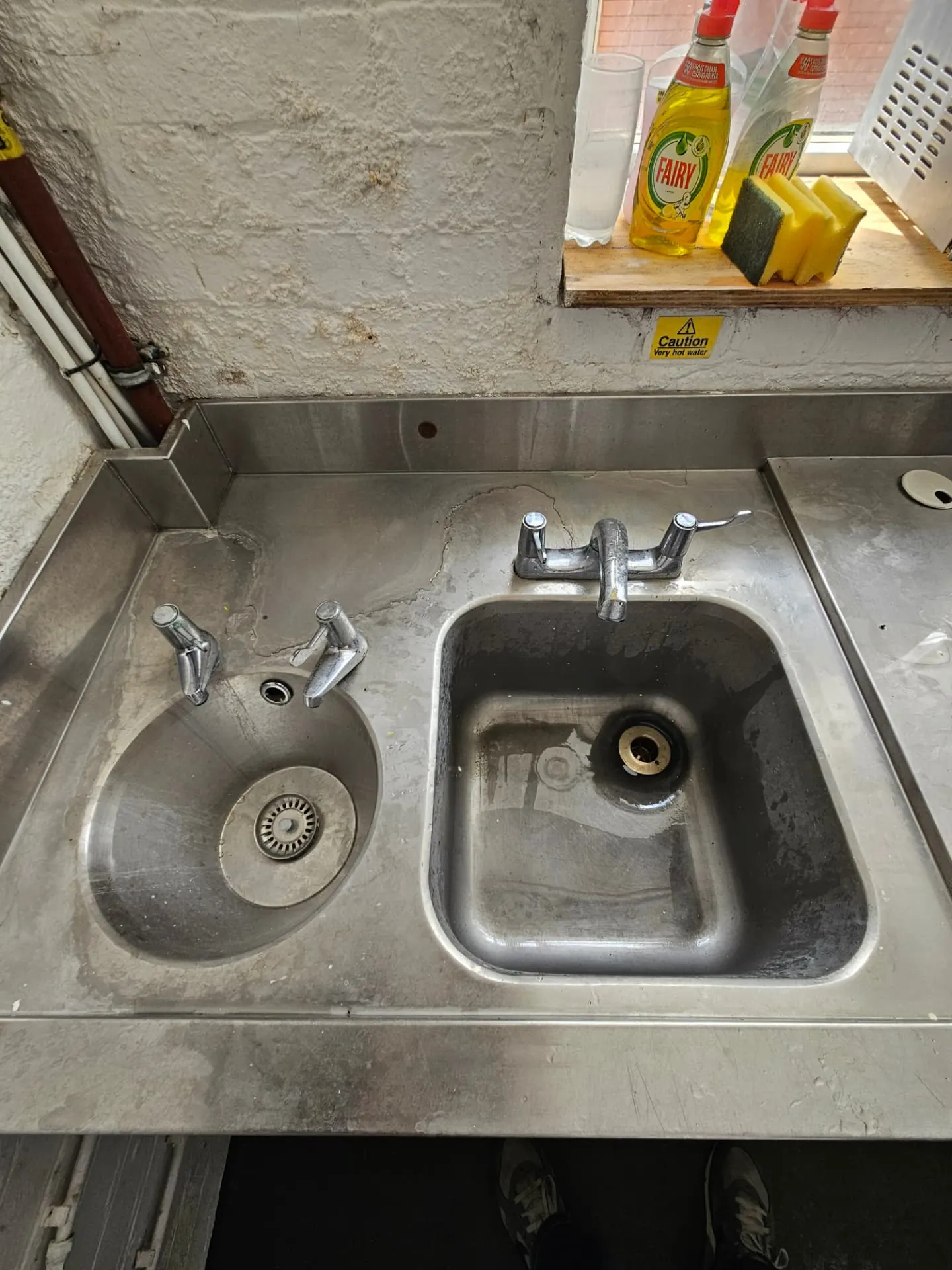
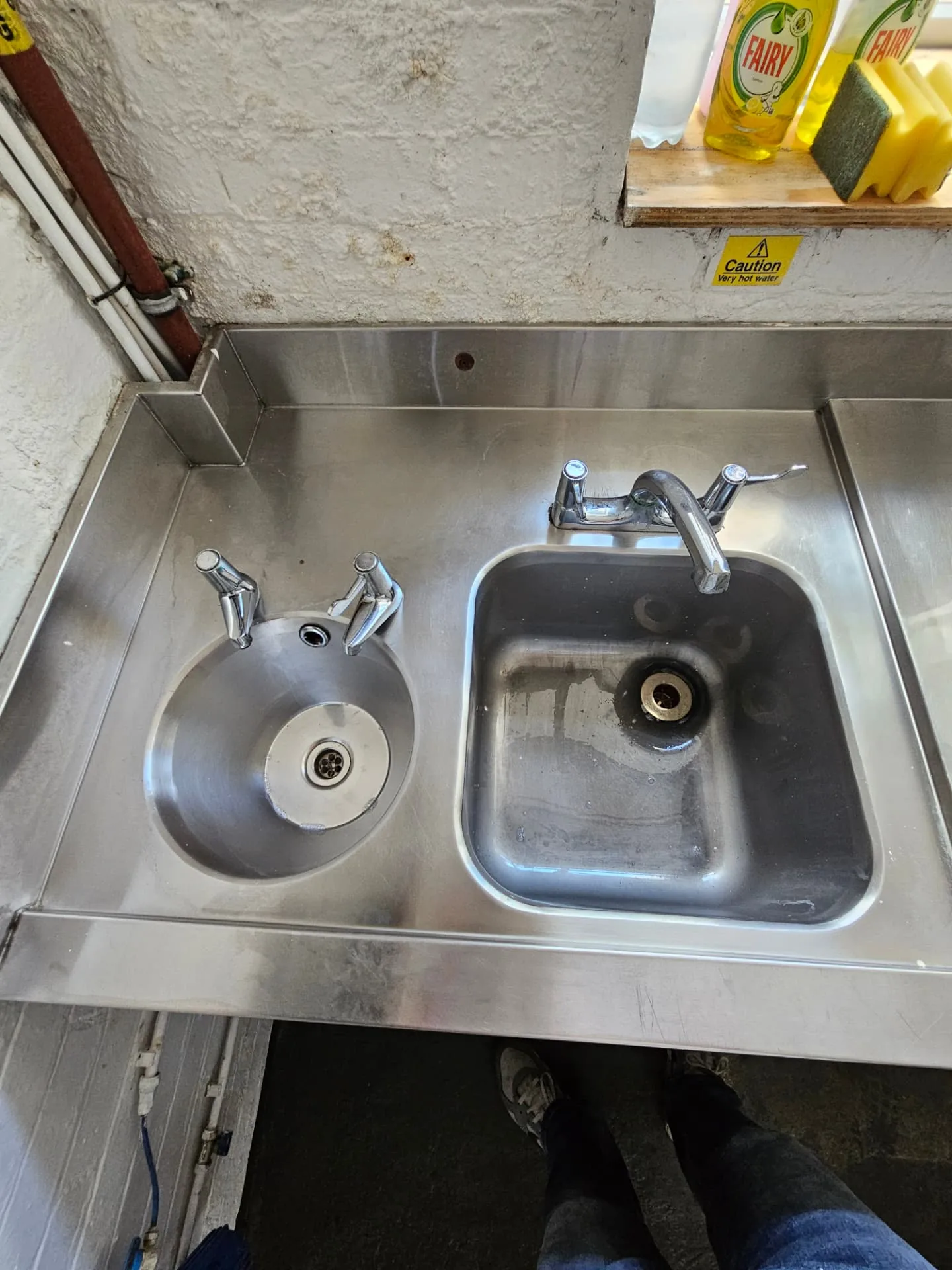
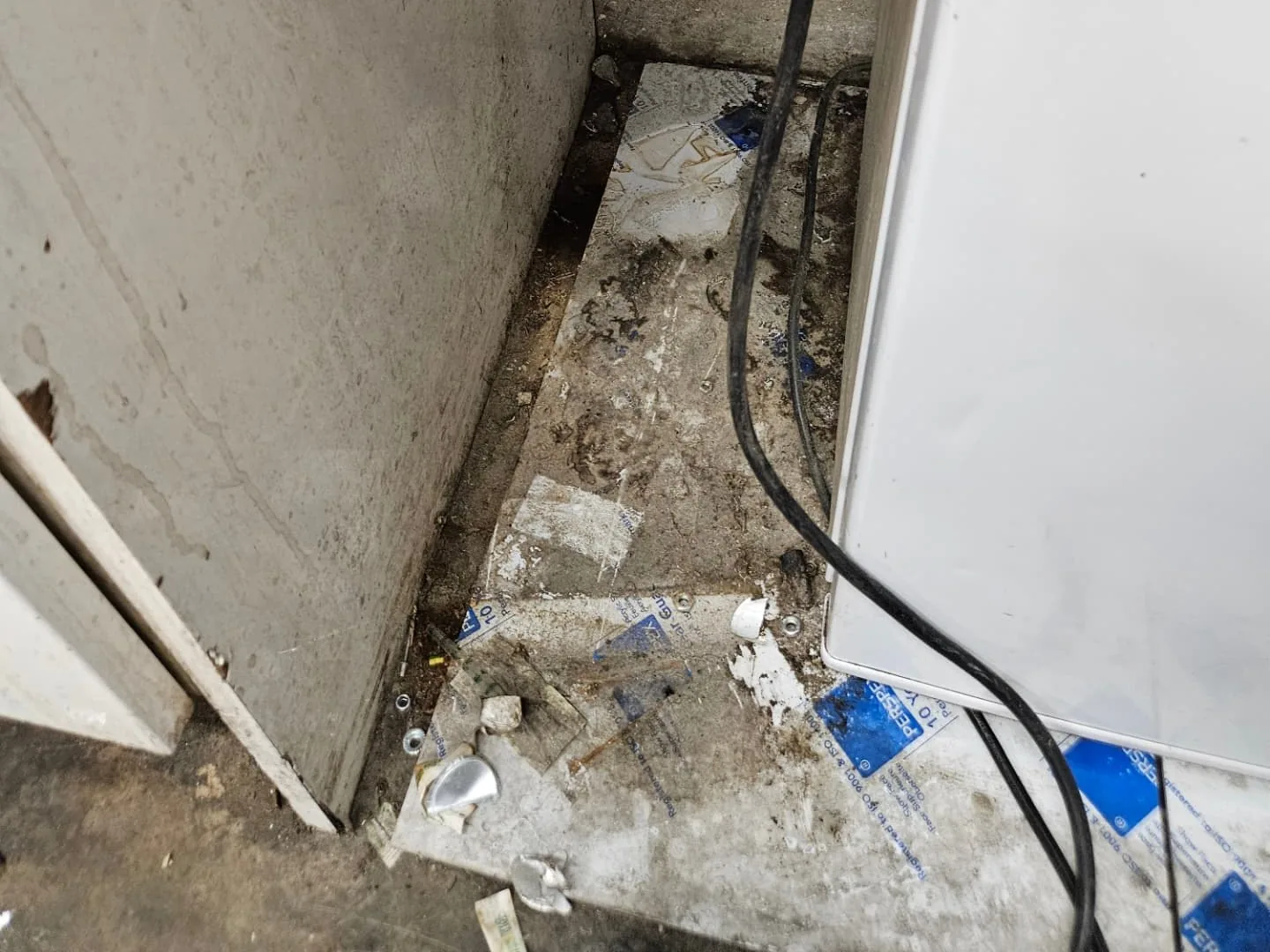
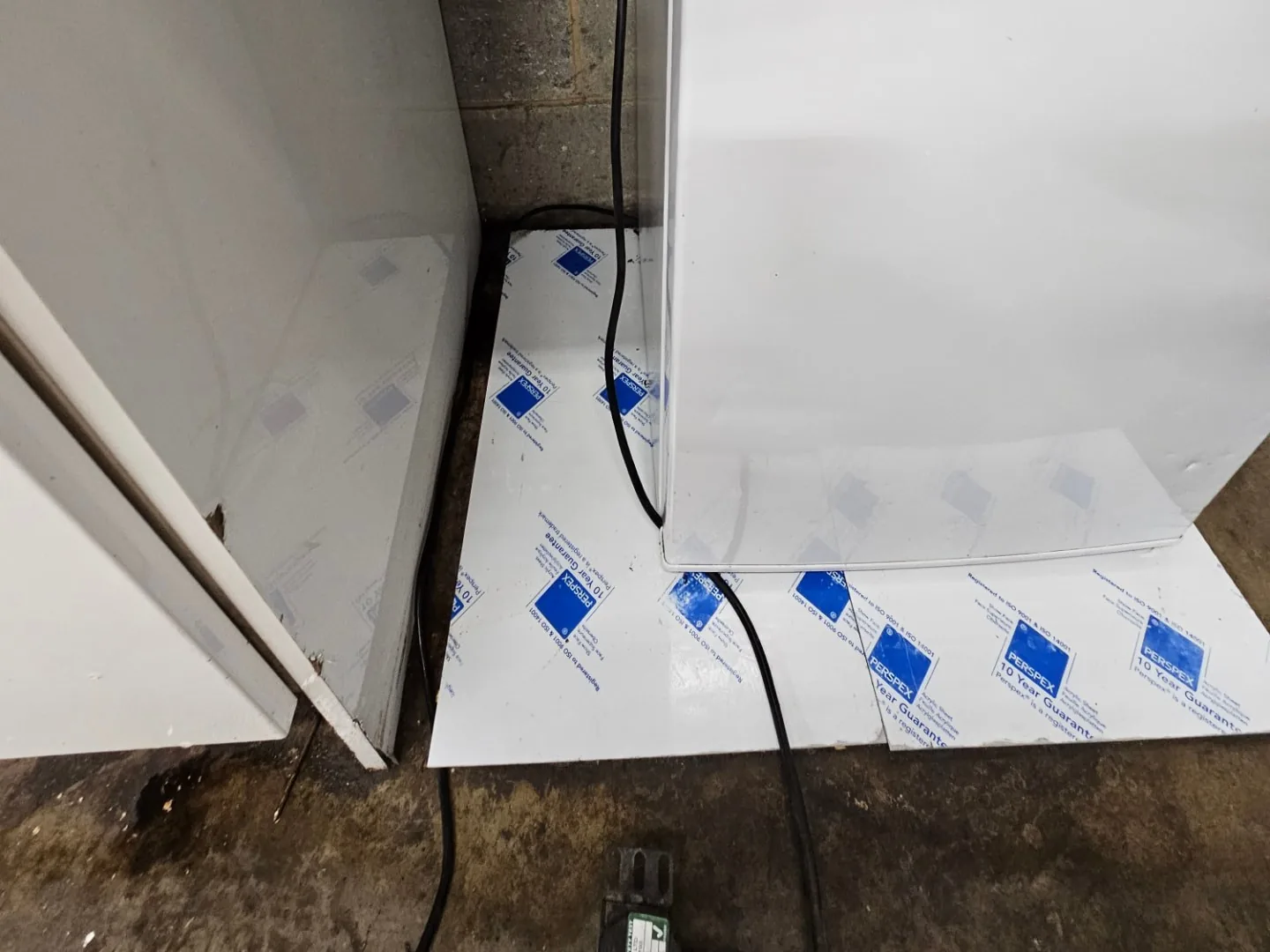
Shared kitchens see dozens of users a day, so fridges, microwaves, kettles and taps become high touch points quickly. At Prism DCS in Watford, a deep clean of the staff kitchenette lifted built up grime from the floor, and the team has been booked back for further deep cleans since.
When to call in the professionals
If your kitchen has not had a deep clean for a long time, you are moving out, or you simply want it done properly in one go, our deep cleaning service starts from £225 + VAT and covers the whole kitchen as part of a top to bottom clean. Get a guide price with our instant estimate.
Talk to the Cleaníge team
If you'd like to discuss your cleaning requirements or would like more information about our services. Send us a message through the contact form or email us directly and we'll come back with clear next steps.
Blog post at a glance
- Covers
- A professional method for deep cleaning a kitchen
- Who it's for
- Homeowners, tenants and staff kitchen cleaners
- You'll need
- Degreaser, descaler, microfibre cloths and a bucket
8 min
Read time
Oct 2026
Published