7 min read
How to Deep Clean a Bathroom: Limescale, Mould and Grout Made Simple
A professional step by step guide to deep cleaning a bathroom, including removing limescale in hard water areas like Hertfordshire, mould and grout.
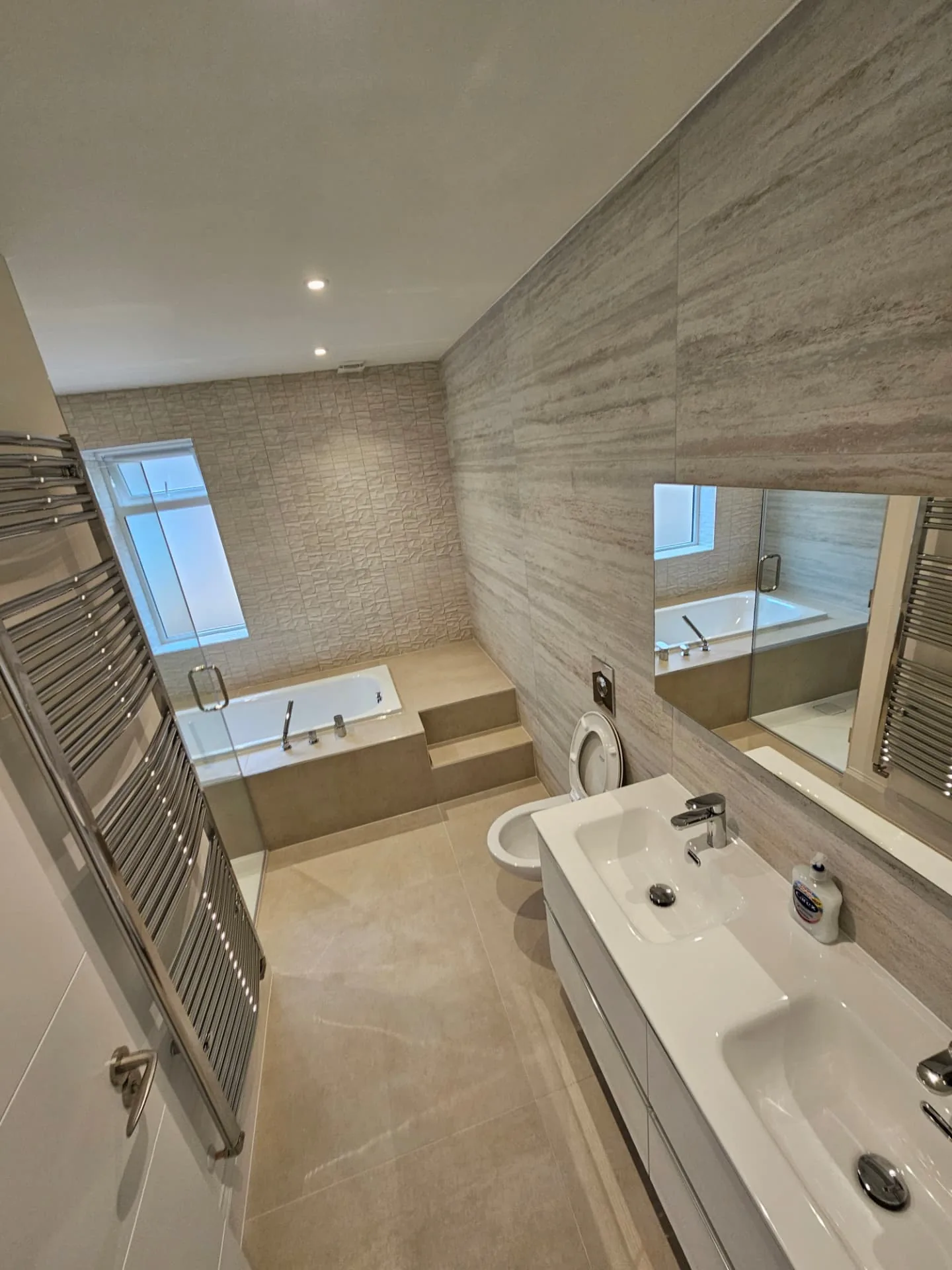
Bathrooms are where dirt hides best. Limescale builds up on taps and glass, mould creeps into grout and silicone, and grime collects behind the toilet where nobody looks. Here is the method our team follows on bathroom and washroom deep cleans across Watford and Hertfordshire.
Why limescale is such a problem locally
Much of Hertfordshire, Bedfordshire and Buckinghamshire has hard water. As it evaporates, it leaves behind white mineral deposits on taps, shower heads, screens and toilets. Left alone, limescale traps dirt and bacteria and becomes much harder to remove, so regular descaling is the key to a bathroom that stays looking new.
What you will need
- A limescale remover suitable for chrome and your surfaces.
- A bathroom cleaner or mild detergent.
- A mould remover for grout and silicone.
- A grout brush or old toothbrush and a non scratch scourer.
- Microfibre cloths, kept separate from your kitchen cloths.
- Rubber gloves and good ventilation.
Safety first
Never mix bleach based products with acidic limescale removers, vinegar or ammonia. The combination can release harmful gases. Use one product at a time, rinse between them, keep the window open and the extractor fan running.
Step by step: deep cleaning a bathroom
1. Clear and ventilate
Remove bottles, toothbrushes, mats and towels. Open the window and switch on the fan.
2. Dust first
Wipe the extractor fan cover, light fittings, the top of the mirror cabinet and the door frame before anything gets wet.
3. Apply limescale remover
Apply it to taps, shower heads, screens and the inside of the toilet bowl, and give it time to work as the label directs. Shower heads can often be unscrewed and soaked. Wrapping a cloth soaked in descaler around a tap base helps on heavy build up.
4. Shower screen and tiles
Scrub away soap scum and limescale, rinse with clean water, then dry the glass with a microfibre cloth or squeegee to avoid new water marks.
5. Grout and silicone
Scrub grout lines with a brush and a bathroom cleaner. For mould, apply a mould remover, leave it as directed and rinse. Black mould that has grown into silicone often cannot be cleaned away completely, and resealing is the lasting fix.
6. Bath and basin
Clean the bath, basin, plugholes and overflows. Do not forget the bath panel and the area under the basin.
7. Toilet
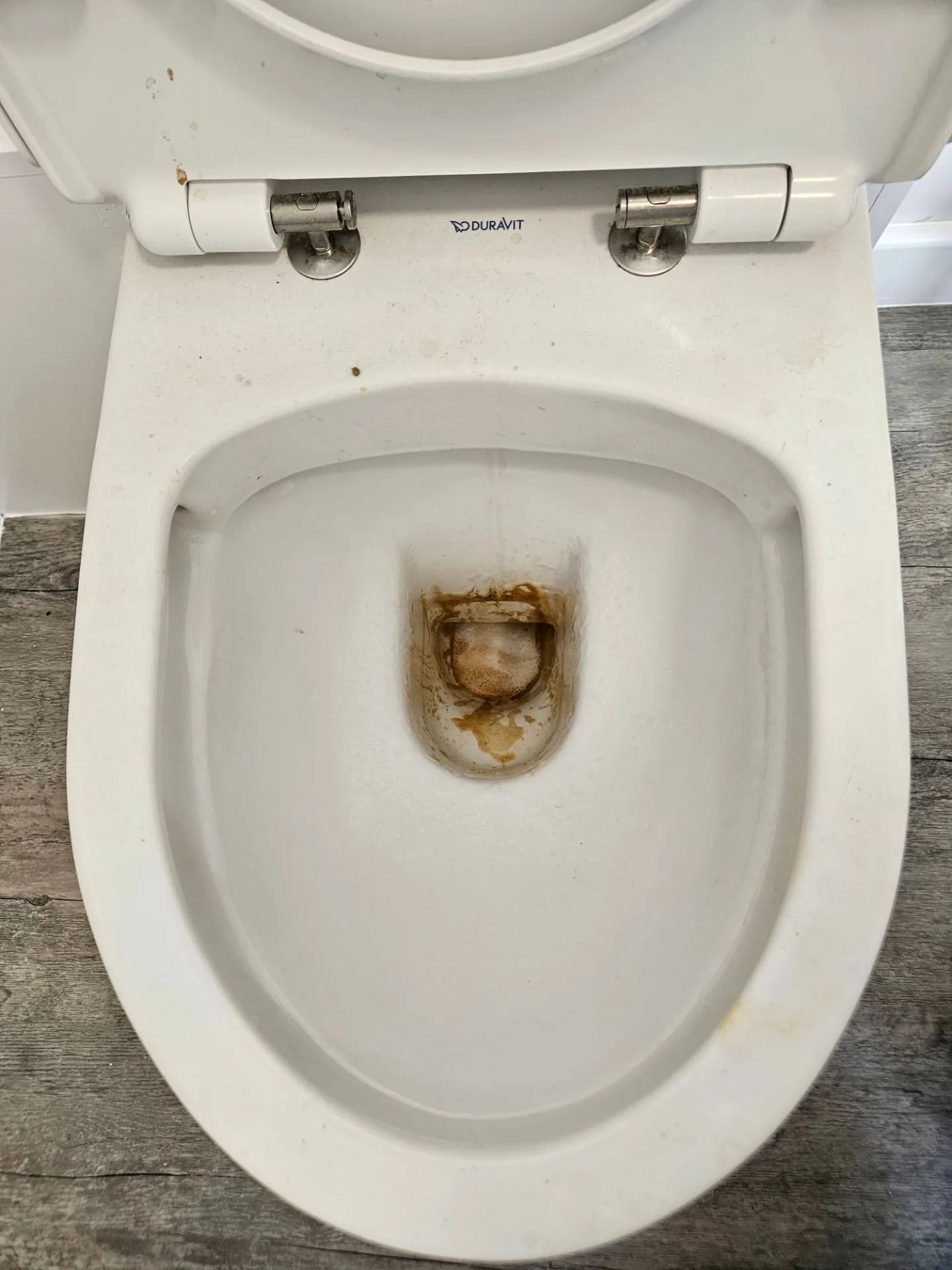
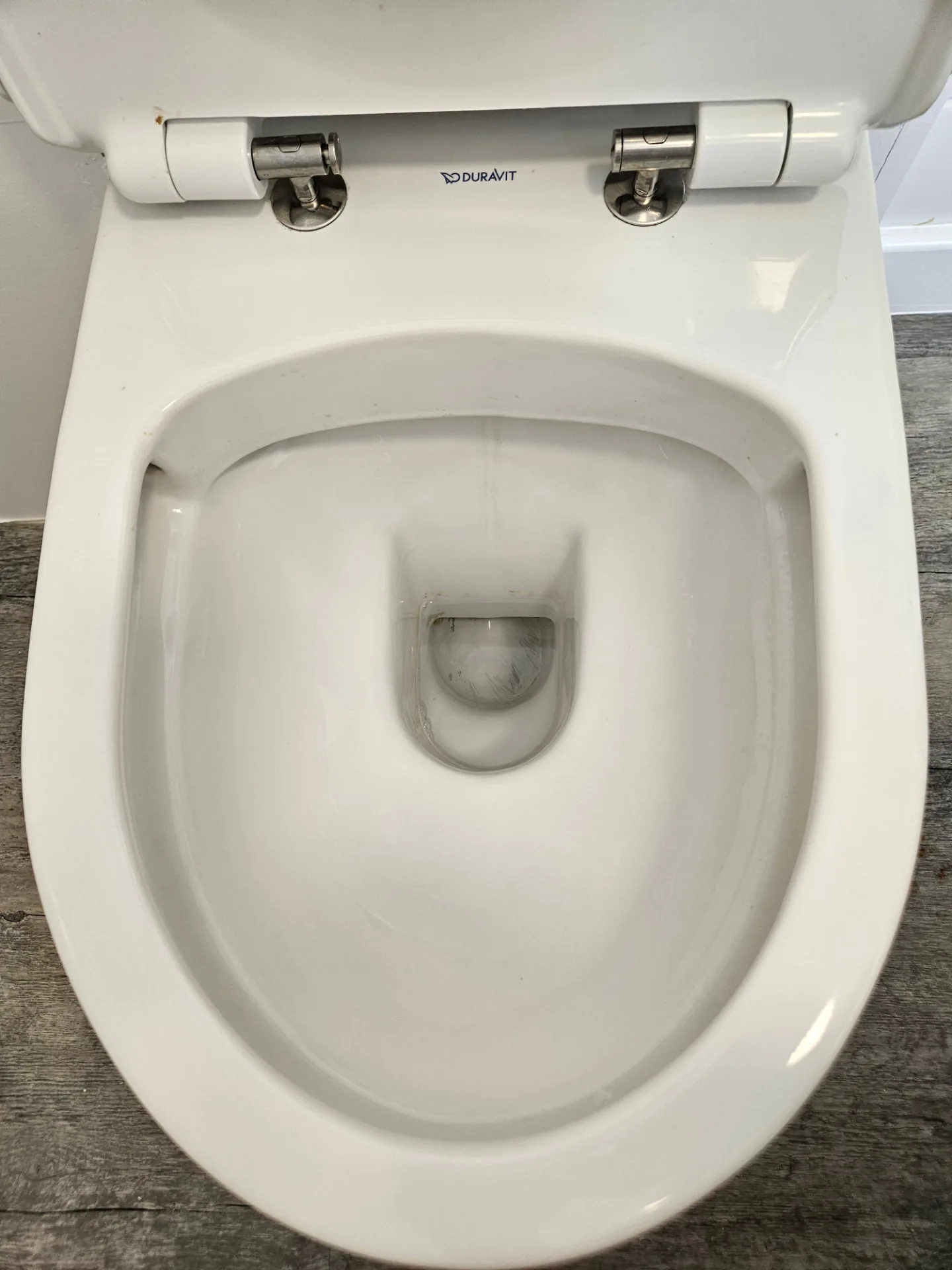
Clean the bowl and under the rim, then the seat, hinges, cistern, flush handle and the base and back of the pan. Hinges collect more grime than almost anywhere else.
8. Mirrors, cabinets and radiators
Clean mirrors and cabinets inside and out, then wipe the radiator or towel rail.
9. Floor last
Sweep or vacuum first to remove hair and dust, then mop right into the corners and behind the toilet.
How to keep your bathroom clean for longer
- Squeegee the shower screen after every use.
- Run the extractor fan during and after showers.
- Wipe taps dry to prevent limescale spots.
- Descale little and often rather than waiting for heavy build up.
- Book a professional deep clean once or twice a year.
Workplace washrooms
Washrooms in offices, schools and sports centres see heavy use, and floors, cubicles and urinals need specialist attention beyond daily cleaning. At St Margaret's School our team deep cleaned changing rooms and toilets, lifting staining that daily cleaning could not reach.
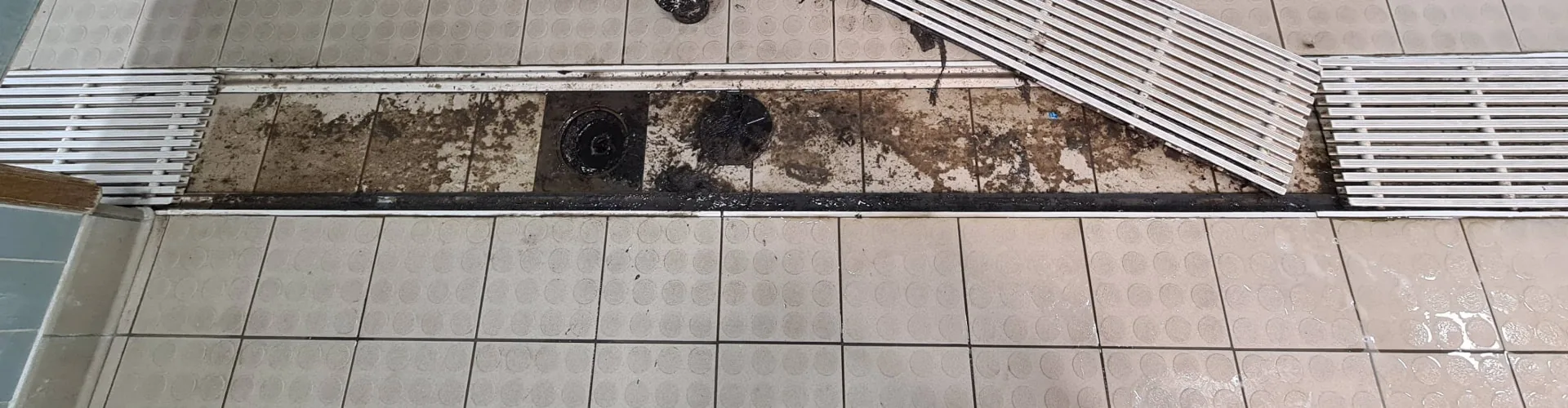
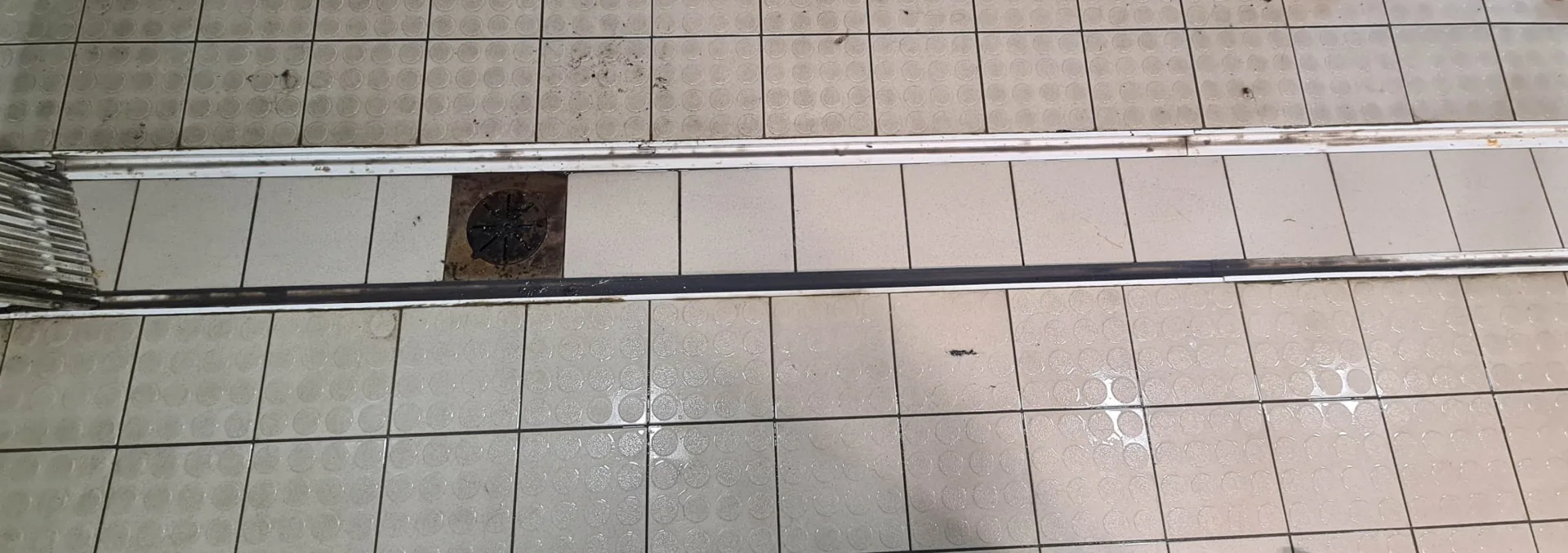
Professional washroom deep cleaning
Our washroom deep cleaning removes limescale, grime and bacteria from bathrooms and washrooms in homes and businesses, starting from £75 + VAT for a typical bathroom or washroom. For a whole property, our deep cleaning service covers every room. Get a guide price with our instant estimate.
Talk to the Cleaníge team
If you'd like to discuss your cleaning requirements or would like more information about our services. Send us a message through the contact form or email us directly and we'll come back with clear next steps.
Blog post at a glance
- Covers
- Limescale, mould and grout, in the order that actually works
- Who it's for
- Homeowners and tenants
- You'll need
- Descaler, mould treatment, brushes and dry cloths
7 min
Read time
Oct 2026
Published