6 min read
Deep Cleaning vs Regular Cleaning: What Is the Difference and When Do You Need Each?
What deep cleaning is, how it differs from regular cleaning, what a deep clean includes and how often homes and workplaces in Hertfordshire need one.
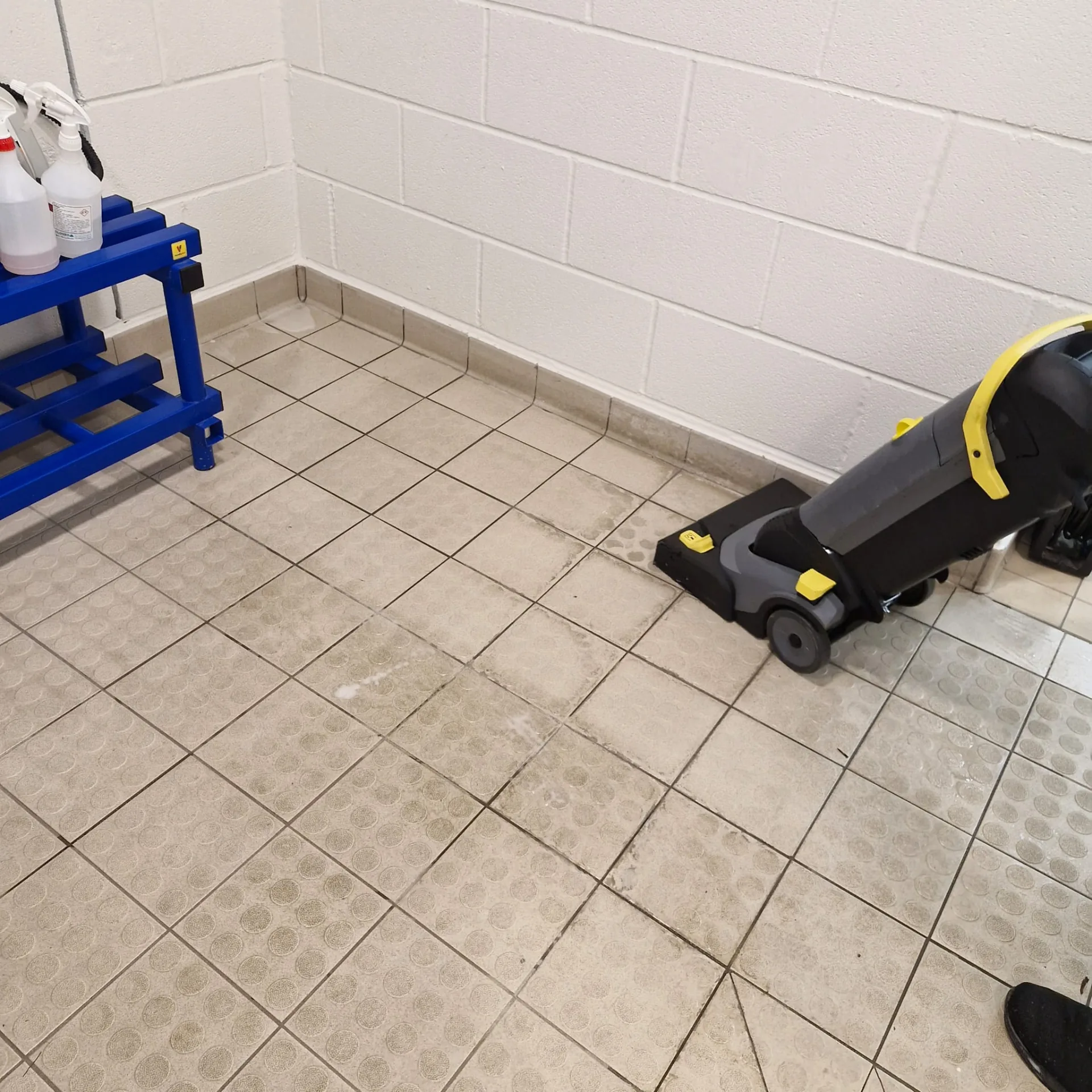
Regular cleaning and deep cleaning are often talked about as if they were the same thing with a different price. They are not. They do different jobs, and knowing the difference helps you book the right service at the right time.
What is regular cleaning?
Regular cleaning is the routine work that keeps a space tidy, hygienic and pleasant day to day. In a home that might be a weekly clean. In an office it is usually a contract clean that happens daily or several times a week.
Typical regular cleaning tasks include emptying bins, vacuuming and mopping floors, wiping desks and worktops, cleaning toilets and basins, and sanitising touch points like door handles and light switches.
What is deep cleaning?
Deep cleaning is a top to bottom clean that reaches the places routine cleaning does not. It removes the build up that collects over months: limescale, grease, ingrained dirt in grout, dust on high surfaces and grime behind and under furniture and appliances.
A professional deep clean usually includes:
- High level dusting of light fittings, vents, tops of cupboards and door frames.
- Skirting boards, doors, handles, switches and sockets cleaned by hand.
- Kitchen appliances cleaned inside and out, including the oven and extractor.
- Limescale removed from taps, shower heads, screens and tiles.
- Grout and silicone scrubbed and treated.
- Radiators, window frames, sills and tracks cleaned.
- Floors cleaned right to the edges, with furniture moved where safe.
The key differences at a glance
- Purpose: regular cleaning maintains a standard, deep cleaning restores it.
- Frequency: regular cleaning happens daily or weekly, deep cleaning happens occasionally.
- Detail: regular cleaning covers visible surfaces, deep cleaning covers hidden and hard to reach areas too.
- Equipment: deep cleaning often uses specialist products and machines such as steam cleaners and floor scrubbers.
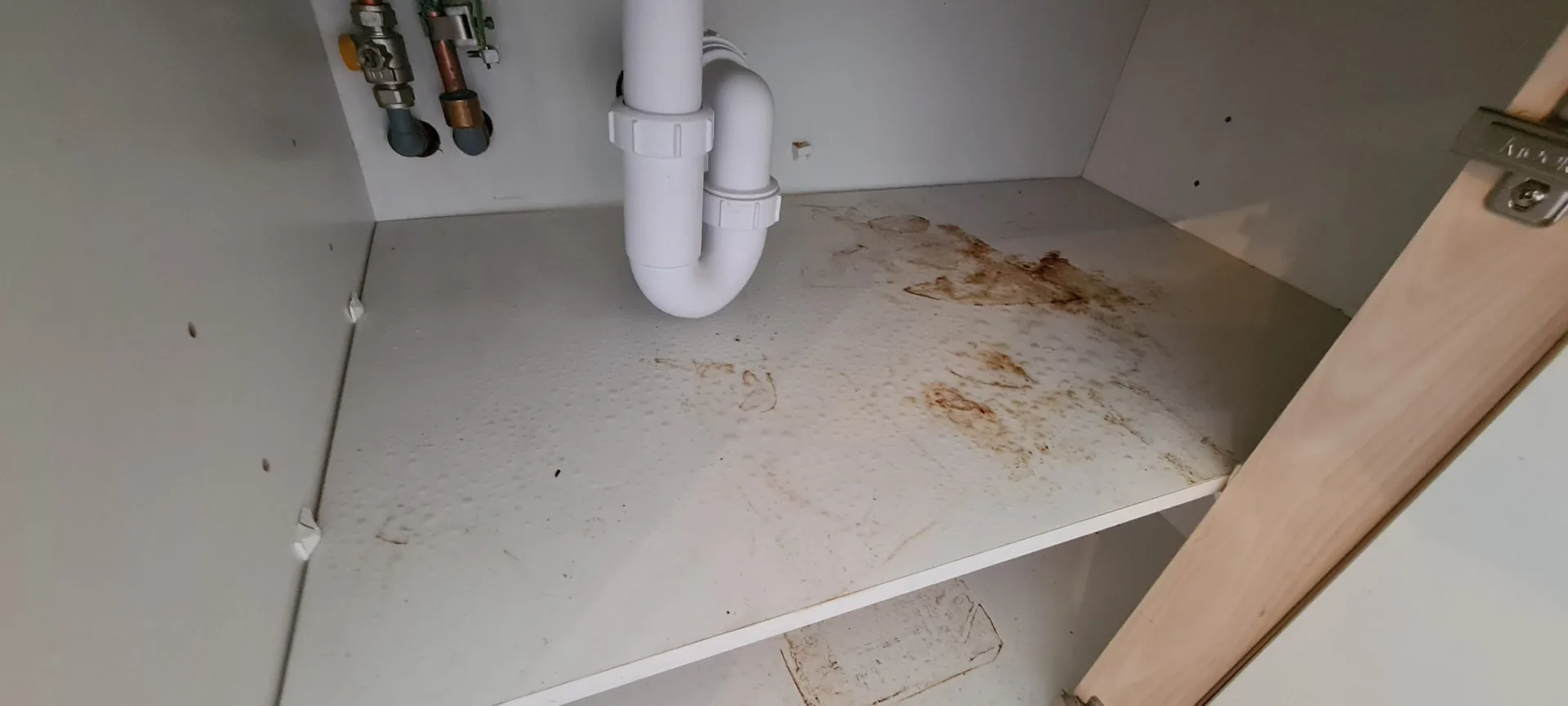
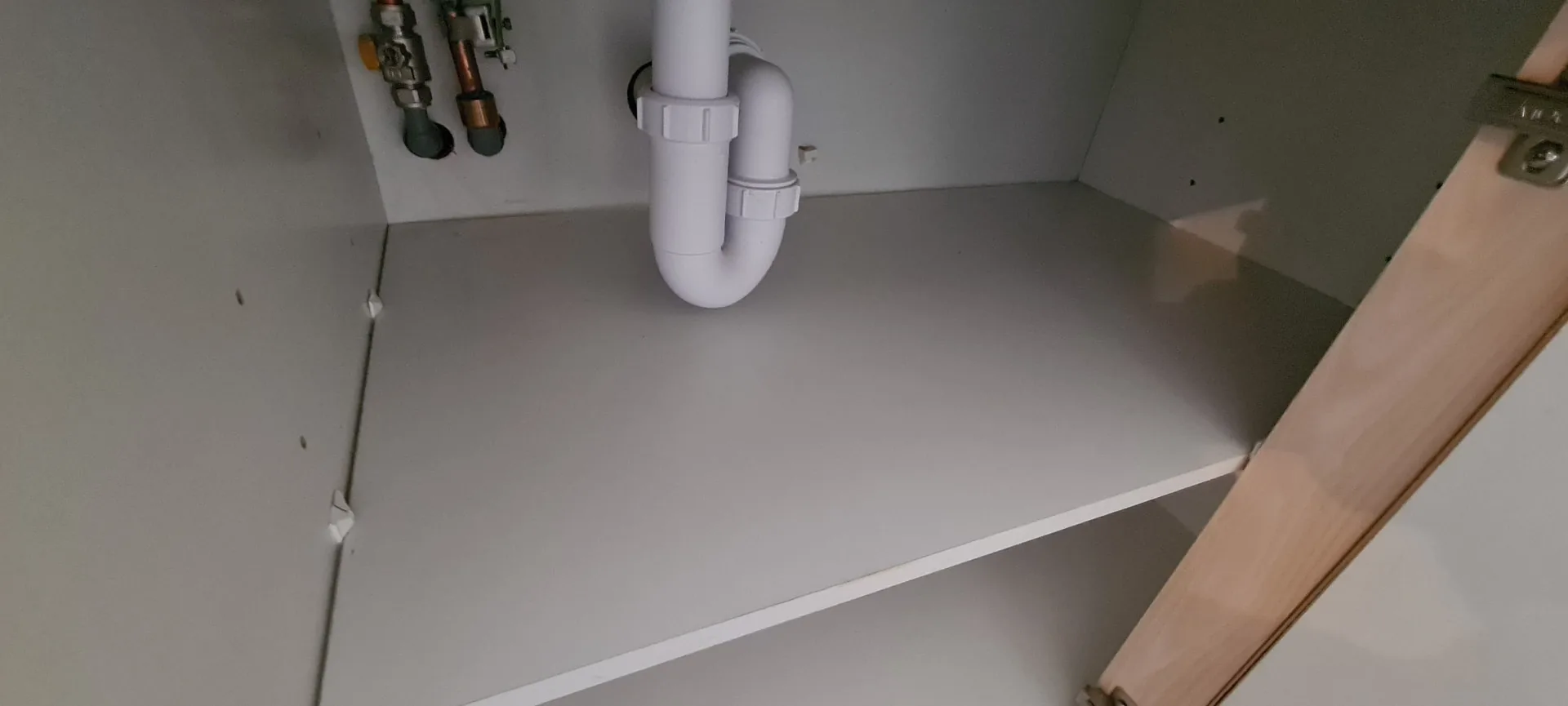
Inside cupboards and under sinks are good examples of areas a regular clean rarely reaches and a deep clean always does. For a full example, see our Garrad House case study, where an initial deep clean reset the building before a regular cleaning contract began.
When do you need a deep clean?
- Moving into or out of a property.
- Starting a new cleaning contract, so regular cleaning begins from a clean baseline.
- After building work or a refurbishment.
- After illness in the home or workplace.
- Before selling or letting a property.
- Once or twice a year as a seasonal reset.
- When regular cleaning no longer seems to make a difference.
How often should you deep clean?
For most homes, a deep clean once or twice a year is enough, with extra attention to kitchens and bathrooms. Busy workplaces benefit from a deep clean every few months alongside their regular contract, especially washrooms, kitchens and high traffic floors. Our guide on how often an office should be cleaned has a full schedule.
Which one do you need?
If a space is generally clean and you want it to stay that way, regular cleaning is the answer. If it has not had detailed attention for a while, start with a deep clean and then keep it there with regular visits. Many of our clients in Watford, Hemel Hempstead and St Albans do exactly that.
Deep cleaning from Cleaníge starts from £225 + VAT, and contract office cleaning starts from £220 per month + VAT. Try our instant estimate for a guide price, or book a free site visit for a fixed proposal.
Talk to the Cleaníge team
If you'd like to discuss your cleaning requirements or would like more information about our services. Send us a message through the contact form or email us directly and we'll come back with clear next steps.
Blog post at a glance
- Covers
- The difference between a deep clean and a regular clean, and when to book each
- Who it's for
- Homeowners, landlords and office managers
- Good to know
- Most premises need both, on different schedules
6 min
Read time
Oct 2026
Published